The Coiled Rope: On Patience, Anticipation, and the Tie That Hasn't Happened Yet
Look at the rope before it touches you.
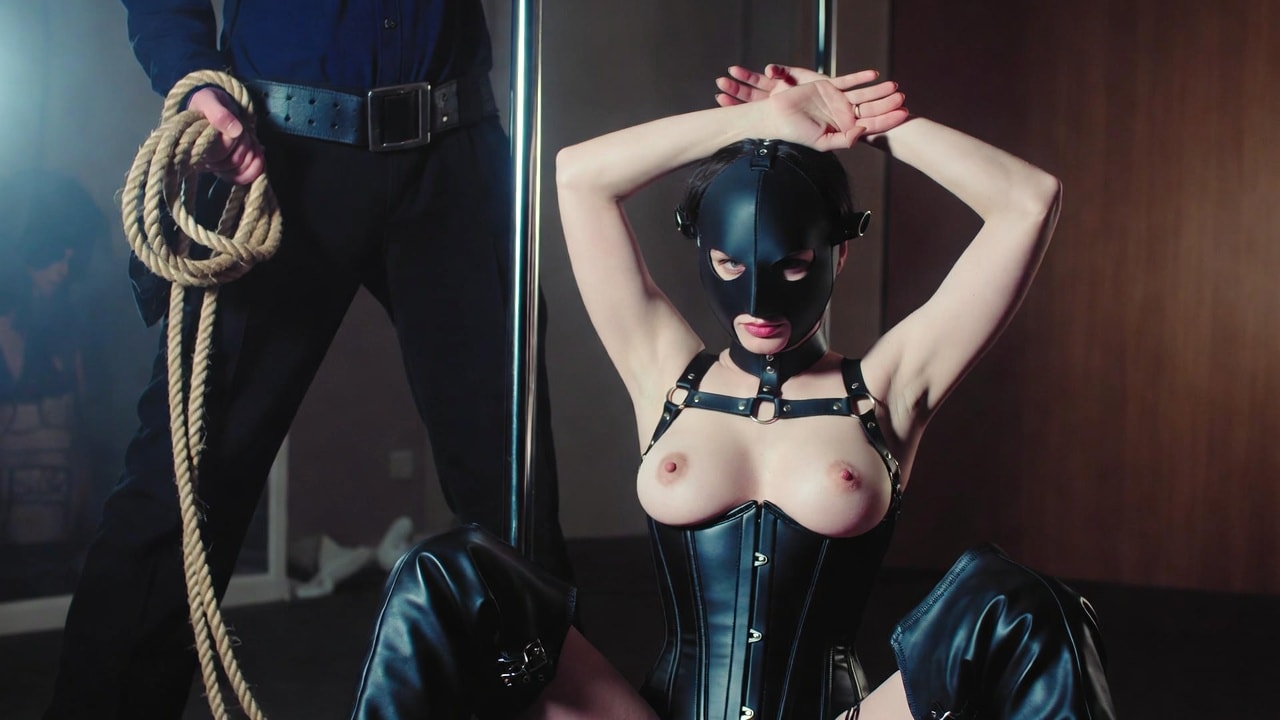
It hangs from a steady hand, wound into neat loops, jute the colour of late honey. It has not moved yet. Neither have you. And already the room has changed — the air drawn tight, your breath gone shallow and slow. This is the part no one photographs well and everyone remembers: the moment before. The coil. The waiting.
At SubSurrender we talk often about being bound. Tonight I want to talk about the pause that comes first, because that pause is where the real surrender begins.
The rope is patient. Let it teach you to be.
There is a hunger in most people who come to rope bondage. They want the wrap, the pull, the held line. They want to feel taken. I understand that hunger. But a tie thrown on too quickly is a tie that means nothing. The rope does not reward the impatient.
So I make a habit of holding the coil a little longer than you would like. I let you look at it. I let you wonder where it will land first — the wrists, the chest, the throat of the corset. I let the anticipation do its slow, deliberate work, because anticipation is not the warm-up to the scene. It is the scene.
Watch how a submissive waits well. The arms come up and cross, unbidden. The spine settles. The breath lengthens. Nothing has been bound yet, and already she is more still, more present, more here than she was an hour ago. That stillness is the first knot. I tied it without touching her.
Why the waiting works
Desire sharpens in the gap between wanting and having. Close that gap too fast and you spend the charge before you have built it. Hold it open — gently, knowingly — and every second of waiting becomes a second of surrender freely given. By the time the rope finally meets skin, the body has already said yes a hundred times in silence.
This is the quiet craft of power exchange. Not force. Pacing. The dominant who understands timing holds more power with a coil of unused rope than an impatient one holds with a full tie.
What the coil is really made of
People think rope bondage is about restraint. It is, eventually. But before a single wrap, the rope is made of something else entirely: trust, negotiated and real.
You do not kneel in front of someone holding a length of jute because they overpowered you. You kneel because you decided to. Somewhere before this moment there was a conversation — about limits, about the word that stops everything, about what you long for and what you will not give. The coil in my hand is heavy with all of that. It is an agreement made visible.
That is why the most charged object in the room is the one that has not been used yet. The coil is potential. It says: here is what could happen, if you let it. And the letting is yours. It is always yours.
The hood, the corset, the held breath
Notice what surrender does to the senses before the rope even moves. Behind a leather hood the world narrows. Sight dims, sound softens, and what is left is the breath and the waiting. Laced into a corset, the body is already held — reminded with every inhale that it has agreed to be contained. These are not decorations. They are instruments of attention. They quiet the noise so that one thing can become enormous: the rope, and the hand that holds it.
By the time I begin, you are not braced. You are open. That is the difference between being tied and being received.
For the one waiting: how to receive the coil
If you are the one kneeling, the instinct is to fill the silence — to fidget, to glance up, to rush toward the part you crave. Resist it. The waiting is a gift you are being handed. Take it.
Breathe low and slow. Let your shoulders drop. Let your eyes settle, or close. Feel the floor holding you so you do not have to hold yourself. You are not performing patience; you are practising it. And patience, in this room, is the most beautiful thing a submissive can offer. It tells me you trust the pace. It tells me you know I will not waste the rope.
You do not have to earn the tie by straining toward it. You earn it by being still enough to be tied.
For the one holding it: the discipline of the pause
And if the coil is in your hand, understand what you are carrying. Not just rope — responsibility. The pause is not a power game you win by making someone squirm. It is a kindness with steel in it. You wait because the waiting deepens her surrender, not because it flatters your control.
Read the body in front of you. Anticipation should feel like a tightening thread, not like abandonment. Hold the silence as long as it serves; release it the moment it stops. The art is in knowing the difference. A good top is measured not by how tightly they bind, but by how precisely they time.
The first wrap
And then, when the room is ripe with it — when her breath has found its rhythm and the waiting has done all it can do — the coil opens.
The first length of rope crosses skin. Warm from the hand. A little rough, a little alive. It settles, and tension takes up the slack, and somewhere a long-held breath finally lets go. Everything that came before — the looking, the kneeling, the patience — pours into that one contact. This is why we waited. The tie lands like a sentence finished at last.
Nothing about it is rushed. Nothing about it needs to be. The whole evening was the wind-up. The rope is only the release.
Surrender begins before you're bound
So the next time you find yourself in front of a coil of rope — held in a steady hand, not yet moving — do not hurry it. Let it hang there. Let the anticipation gather. Let the stillness become its own kind of binding.
Because the truest surrender is not the moment you are tied. It is the moment you decide, with your whole quiet body, to wait to be. The rope simply confirms what you already gave.
Stay still. Breathe. The coil is patient, and so am I.
— Mistress Krigar